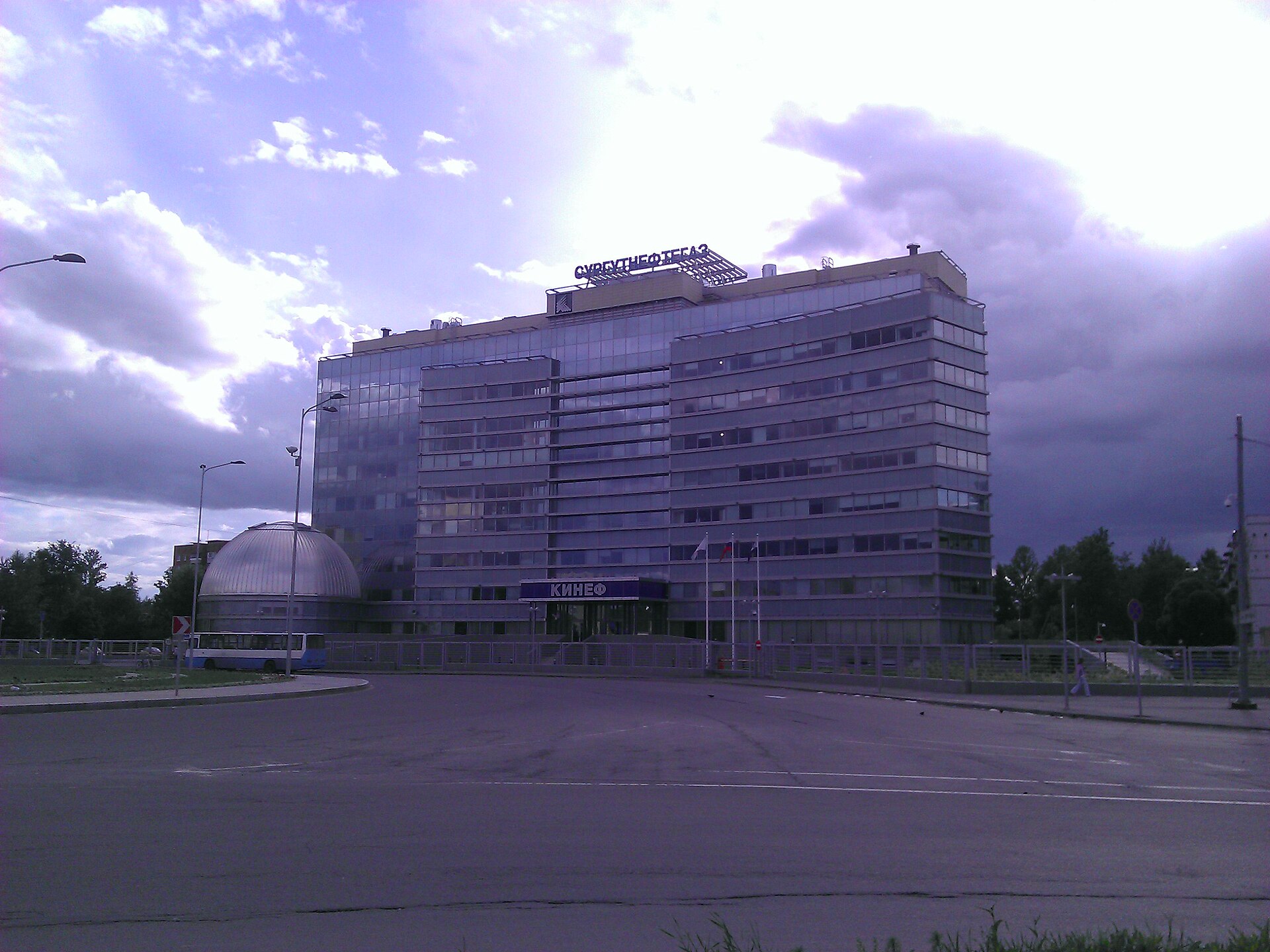
Ukrainian drones struck the KINEF refinery in Russia’s Leningrad region on Monday, causing fires and damaging three main oil processing units at the country’s second-largest refinery, Euronews reported.
Kirishinefteorgsintez (KINEF) is the largest refinery in north-west Russia and the second largest in the country behind the Omsk plant. Owned by the Surgutneftegaz group, it processes roughly 18 million tonnes of crude a year, about 7% of Russia’s total refining capacity, with a design capacity of 20-21 million tonnes. It produces petrol, diesel, aviation kerosene, fuel oil and bitumen, and supplies aviation fuel to St Petersburg’s Pulkovo airport. The plant has been targeted repeatedly since Russia’s full-scale invasion of Ukraine in February 2022, and Surgutneftegaz was placed under EU, US and UK sanctions in 2025.
Casualties and air defence claims
Leningrad region governor Alexander Drozdenko said air defences shot down 113 drones targeting the region, but that debris from one struck the roof of a multi-storey building in Vsevolozhsk, killing a resident. Russia’s defence ministry said its forces downed 430 Ukrainian drones across 14 regions and occupied Crimea overnight – a claim Euronews said it could not independently verify.
Fuel rationing widens
Rosneft announced on Monday that it was capping petrol and diesel sales at its filling stations, limiting drivers to 30 litres per transaction in cities. The restrictions took effect in Karelia, Buryatia, Zabaykalsky Krai and the Novosibirsk region, among six regions in total, according to Euronews – a sign that refinery damage and logistics disruption are reaching consumers far from the front line.
Strikes on refining capacity have become one of Ukraine’s main long-range tools: they impose costs on Russia’s fuel supply and export revenue without requiring ground advances. Ukrainian officials have said the targets are part of the war economy that funds the invasion; Moscow describes them as attacks on civilian infrastructure.
The Daily Lens has not independently verified the extent of the damage at KINEF, the number of drones involved, or the casualty figures; those details come from Euronews reporting of Ukrainian, Russian regional and Russian defence ministry statements.


Leave a Reply